Econock
At Denude, we believe the value of an object is not only in how it looks, but in how it comes into existence.
The Object Journey is our framework for understanding the materials, people, and processes behind the products we feature.
For Econock, a conscious design studio based in New Delhi, this journey begins with reclamation.
Material Origin
Where it begins
- What materials are used
- Where they come from
- Who supplies them
Material Processing
How materials are transformed
- Tanning, dyeing, cleaning, refining
- In-house treatment vs specialist partners
- The stages that shape material integrity
Studio & Craft
Where the object takes form
- In-house studio or external workshops
- Craft techniques and construction methods
- The people involved in making the object
Traceability
Can the journey be followed?
- How much of the supply chain can be mapped
- Known stages vs unknown stages
- What the brand can currently verify
Distribution
How it reaches the customer
- Shipping origin
- Logistics partners
- How the finished object moves globally
The Object in the World
Its next chapter
- Care, use and longevity
- Repair and restoration
- The object’s life beyond ownership
Raw Materials
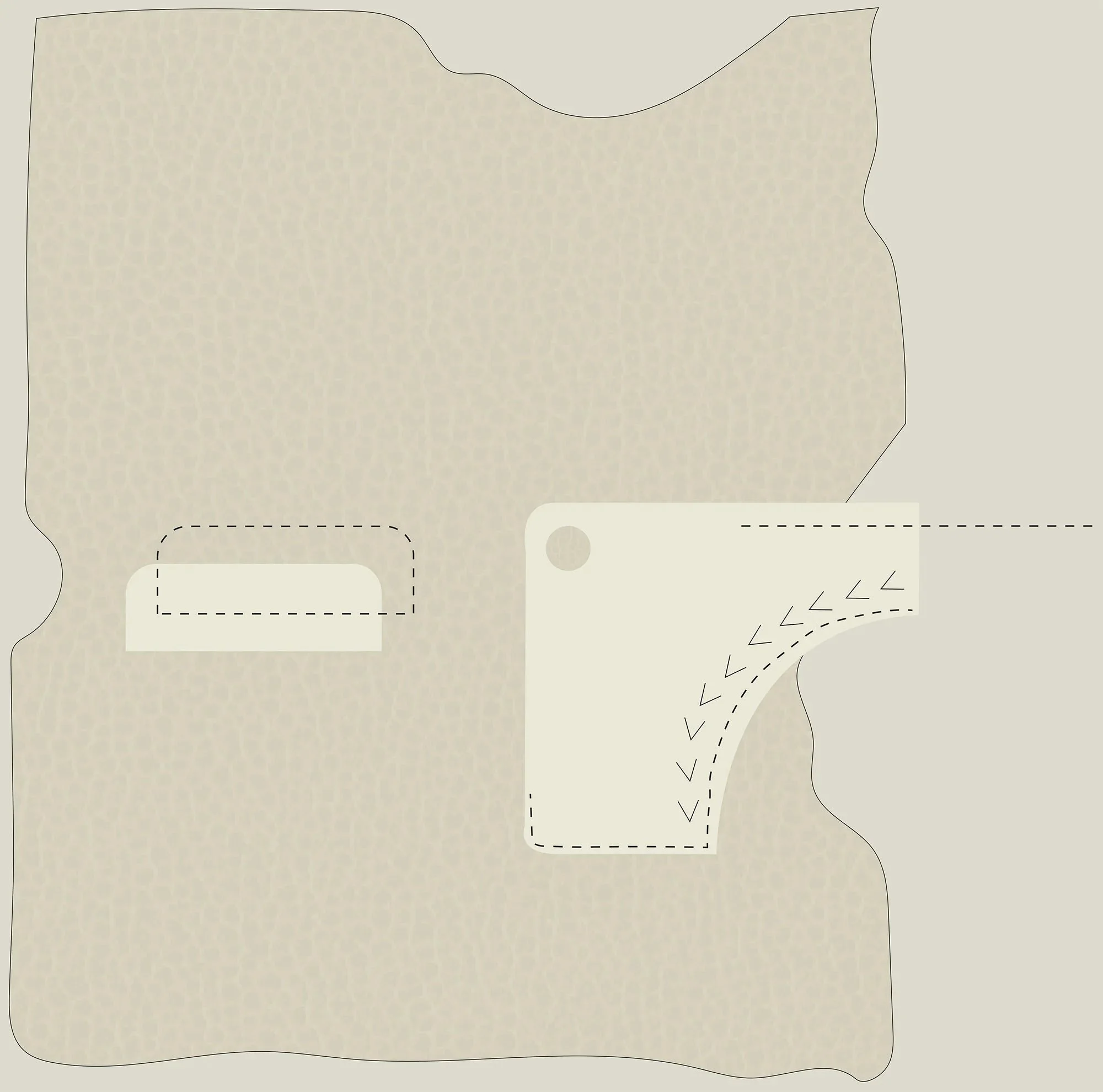
What are the primary materials used in Econock bags, and where are those materials sourced geographically? Who are the suppliers providing these materials (for example tanneries, textile mills, or hardware manufacturers)? Are these suppliers certified under any recognised environmental or labour standards?
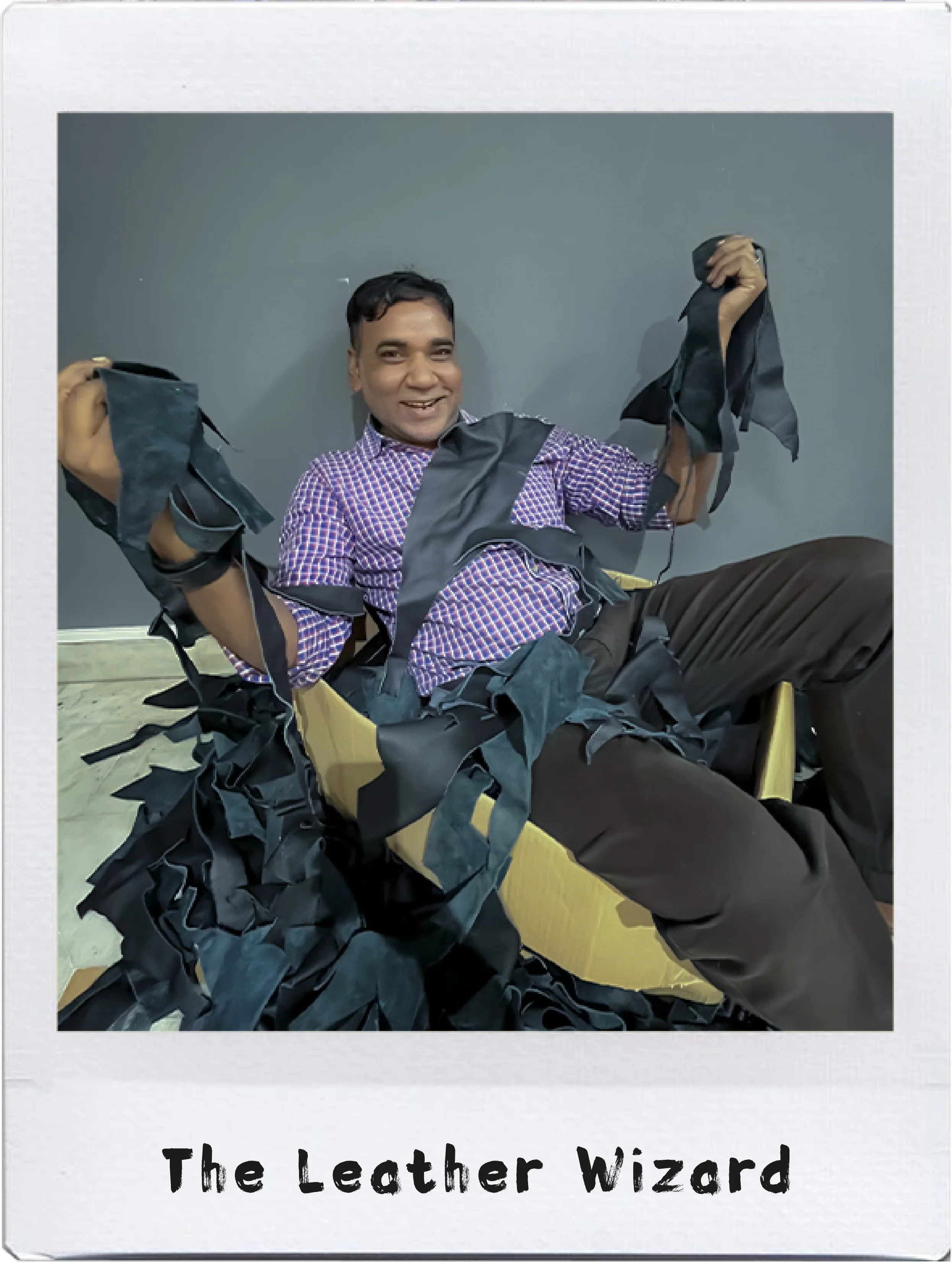
We reclaim industrial offcuts from partners across the value chain, including tanneries, manufacturers, and artisan workshops, who are committed to sustainability and are keen to contribute to circularity through our partnership. Our current collections embrace the exceptional quality of full-grain leather offcuts generated during their production processes.
By working closely with these partners, we help embed these leftover materials back into the value chain, contributing to the last mile of sustainability through circular design.
Processing & Material Treatment
Where are the materials processed or treated before manufacturing, such as tanning, dyeing, or metal finishing? Where are materials processed or prepared before assembly (for example tanning, cleaning or metal finishing)? Does the Econock studio handle these stages directly, or are they managed by specialist partners?
Since we work with industrial offcuts sourced from tanneries and manufacturing partners, the primary material processing stages - such as tanning, dyeing, or finishing - are already completed before the materials reach us as part of their original production processes. As a result, we do not carry out additional tanning, dyeing, or chemical treatment within our studio.
Our approach instead begins with the careful grading and sorting of the reclaimed scraps we source. These materials become the foundation for developing innovative surface embellishments and material compositions within our upcycled leather work.
Each product is then handcrafted in our studio using low-impact processes designed to minimize carbon emissions during product development.
Manufacturing
Where are Econock products physically assembled? Is this primarily within the Econock studio or through a network of partner workshops? Does Econock operate mostly as an in-house studio model, or do you collaborate with specialised workshops for certain stages of production?
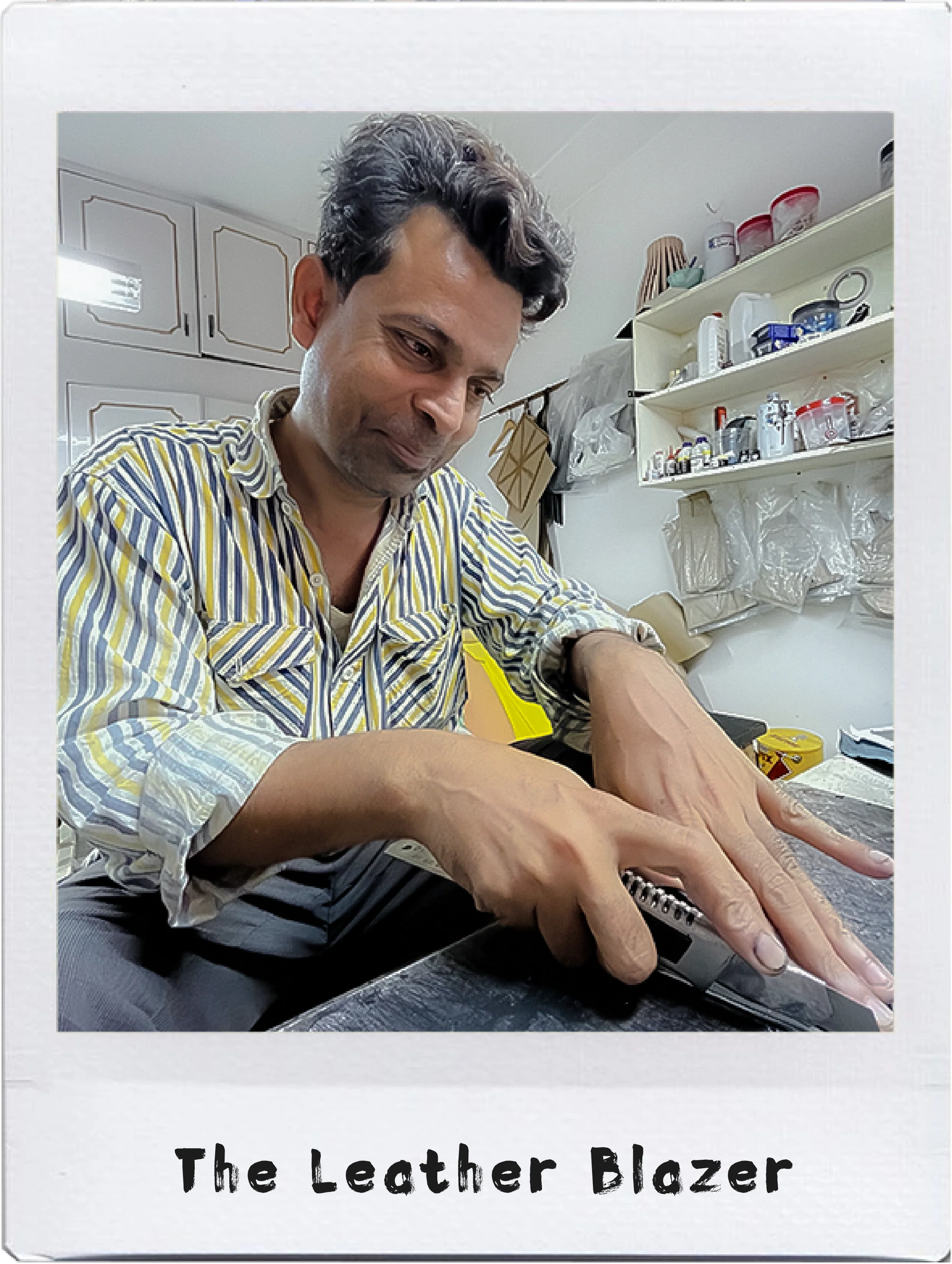
Econock’s design and manufacturing studio is based in New Delhi, where our master artisans lead the design-led approach to working with upcycled materials and product development.Our products are finished within the Econock studio, particularly during the prototyping and early production stages and finishing of the product.
Our master artisans conduct upcycling craft training and work closely with a network of artisan-led workshops to integrate our material innovation and craftsmanship techniques into the production process.This hybrid model allows us to maintain strong design oversight at our studio while supporting skilled artisan communities through decentralized production.
How many artisans or craftspeople are typically involved in producing a single Econock bag?
Typically, 2-3 skilled artisans contribute to a single Econock bag from material preparation to stitching and finishing.
Are there particular craftspeople or long-term collaborators who play a central role in the making of Econock pieces?
At our core, we are a collective - everyone who contributes to our work is a partner in the journey. The journey began with Gouri Rawat, the creative brainiac behind our design inspirations, and Aleem Ashraf, the master craftsman who brings these visions to life. Along the way, supporters from across different walks of life from industrial partners and the non-profit and development sectors to couture fashion designers with their feedback and partnership have played an instrumental role in shaping and strengthening our work.
Labour & Social Conditions
How does Econock approach labour standards for the people involved in producing its products - whether within the Econock studio or through any external collaborators?
Econock approaches labour standards through a combination of empathy and adherence to regulations and sustainable development goals. We believe ethical production begins with respecting the people behind the craft, ensuring fair working conditions, dignity, and transparency in the production process. We benchmark with government labour regulations for fair compensation and SDG recommendations for safe working environments with provision of clean toilets, safe drinking water, collaborative environment, employee welfare fund and air-conditioning.
If parts of the production process involve external partners, are there any systems or checks in place to ensure working conditions and labour standards are upheld?
Parts of our production process involve collaboration with artisan communities through a decentralized manufacturing setup, where many artisans contribute by working from their homes. This model allows skilled craftspeople to work within their own environments while continuing their traditional practices.
To maintain responsible working conditions, our master artisans work closely with these collaborators, providing training, guidance, and oversight on production standards and craft processes. We aim to build long-term relationships with these artisan partners based on trust, fair compensation, and consistent engagement.
Looking ahead, we plan to establish community-based workshops with infrastructure developed on the model of the Econock Manufacturing Studio. These spaces will help provide improved tools, training, and structured working environments while continuing to support decentralized artisan participation.
Behind every object are the people who shape it. Are you able to share the names or stories of some of the artisans, craftspeople, or makers involved in producing Econock items?
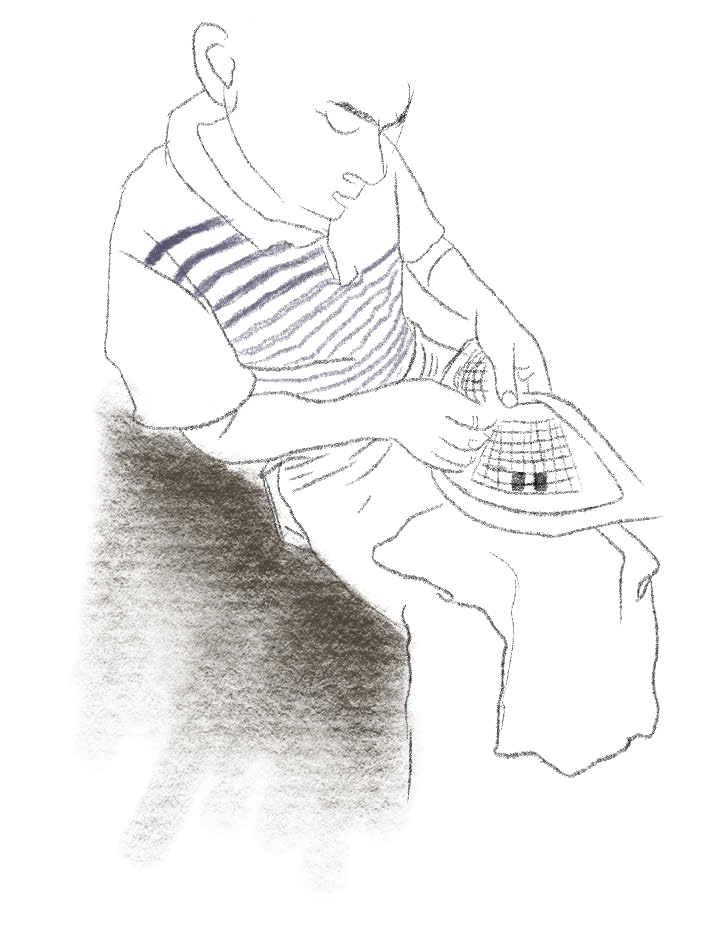
Our craft team includes Alim Ashraf, Phool Babu, Mashroof, and Noorhasan. Explore their journeys and contributions at Econock at https://www.econock.com/pages/our-team
Traceability
Is Econock able to trace materials back to specific suppliers or batches?
Yes, we have built partnership over years with our material partners and traceability is critical for us to establish quality standards
What percentage of your supply chain is currently traceable? If a customer wanted to trace the journey of an Econock bag from raw material to final product, how much of that journey could currently be mapped?
A significant portion of our supply chain is traceable, particularly at the stages where materials enter our process and during product development and manufacturing. We reclaim discarded materials directly from manufacturing partners, allowing us to identify the source and type of material being recovered.
Once these materials enter our studio, the processes of sorting, design development, and product assembly are managed within our Econock studio and through closely connected artisan collaborators, which allows us to maintain clear visibility over these stages.
Because we work with reclaimed industrial offcuts that originate from larger production systems, tracing the full upstream journey of the original material (such as the initial hide sourcing or earlier processing stages) is sometimes limited. However, from the point at which the materials are recovered and integrated into our production process, the journey of an Econock product from material selection to final craftsmanship can be meaningfully mapped.
Logistics
From where are products shipped to international customers?
All products are shipped from New Delhi in batches to international customers
People Behind the Object
Where possible, Denude highlights the individuals and teams involved in bringing an object into existence - from material sourcing to final assembly.
For Econock, this includes both the studio team and the artisan-led workshops involved in material preparation, craft training, stitching, finishing and product development.
The Denude Principle
The Object Journey is not a measure of perfection, but of clarity.
Not all brands can map every stage - but understanding what is known, and what is not, is part of responsible consumption.
The following reflects Denude’s current editorial assessment of how clearly Econock is able to map the journey of its objects across key stages of sourcing, production, traceability, and distribution.
Closing Reflection
Econock’s process sits within a growing movement attempting to rethink the relationship between luxury, waste, and longevity. Rather than positioning reclaimed material as compromise, the studio treats constraint itself as part of the design language - allowing discarded fragments to become structured, functional objects intended for long-term use.